
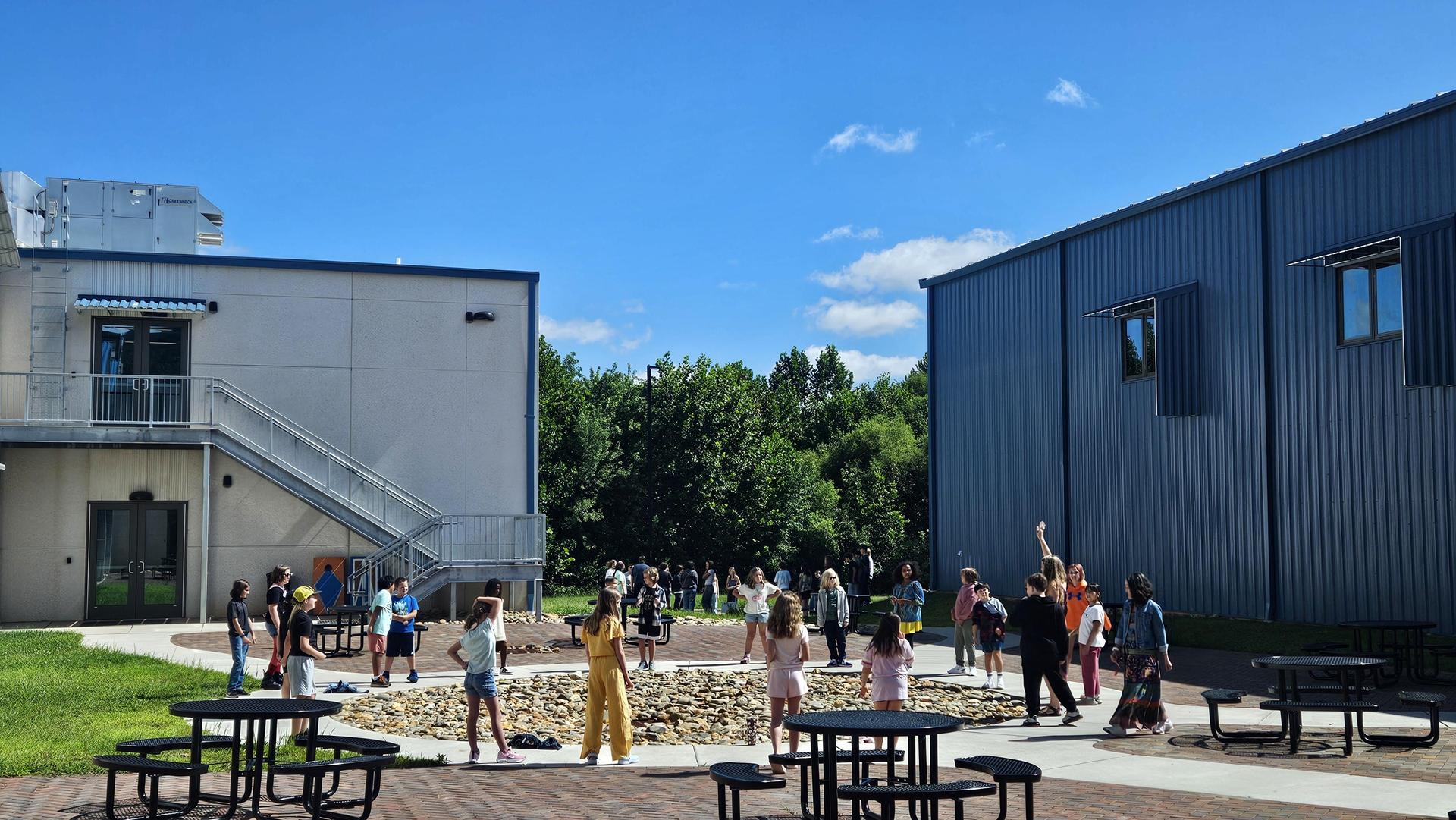
Our Philosophy
The Franklin School of Innovation is preparing the next generation of leaders, capable of solving problems and participating effectively and ethically as local and global citizens.
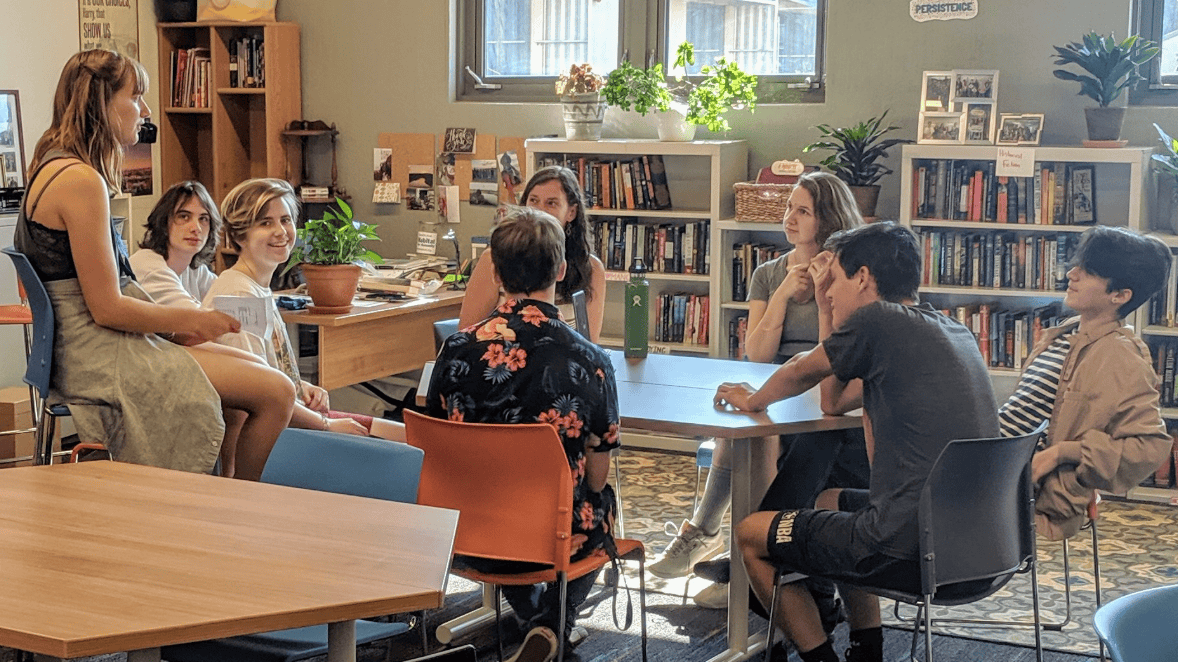
Through challenging academics, real-world learning, and community engagement, our students discover their potential, develop persistence, and recognize the value of others. Our graduates are ready for the future they will create.
What Sets Franklin Apart From Other Local Schools?
Crew
One of the most important factors contributing to student achievement is the relationship between the student and his/her teachers. Students learn best when they feel that someone knows and cares about them as individuals. Each student at Franklin is a member of a Crew. In Crew teachers and students develop strong relationships and practice skills for success. Crew curriculum includes topics like Growth Mindset, leadership, goal-setting, conflict-resolution, and service, as well as college and career exploration.
Learning Expeditions
These long-term, teacher-designed studies bring learning beyond the classroom walls. Students practice original research, critical thinking, and problem solving. Learning Expeditions are directly tied to curriculum standards, and focus on developing literacy as well as persistence, leadership, and collaboration. Expeditions end with celebrations of student learning, sharing final student products with authentic audiences. Students participate in at least one multidisciplinary expedition each year.
Student Led Conferences
Twice each year, students lead these presentations, sharing their goals and progress with their parents. Student Led Conferences (SLCs) represent a deliberate shift from a traditional parent-teacher conference, where students are often not present and rarely play an active role. In contrast, SLCs place students at the center of their own learning, while recognizing that parents and teachers play active supporting roles. In preparing for SLCs, students practice skills of goal-setting, reflection, and public presentation.
8th and 10th Grade Passages
The transition from 8th grade into high school, and again from 10th grade into the final two years of high school, are significant points of passage for students. Through Passages, we recognize these transitions and celebrate student growth. Passages are formal presentations in which students demonstrate their readiness to move on to the next level of their education. Students prepare portfolios, sharing examples of their work that demonstrate mastery of academic standards as well as development of habits of scholarship and student self-assessment. Students present their portfolios to faculty, parents, and community members.
9th Grade Adventure
Franklin partners with Adventure Treks, a non-profit outdoor education program, to provide a 4-day backcountry program in the beautiful Pisgah National Forest. Students gain outdoor skills, develop respect for and knowledge of the natural world, strengthen leadership and collaboration skills, learn from their mistakes and celebrate their collective successes.
Service Learning
Projects that provide service of real value and that are aligned with academic content are incorporated in Learning Expeditions and in individual courses. As an example, Franklin participates in the Habitat for Humanity student home build, raising funds for and helping to build a home for a family in the Asheville community.
Philosophy
We believe that today's students need a solid foundation in academic skills. They need to read and write at high levels, to have a solid understanding of the history of our world, and a strong background in science. Schools play a central role in helping students develop these academic skills.
We believe that students also need a different set of skills to succeed. These include qualities such as persistence, curiosity, ethics, and leadership – sometimes referred to as soft skills or non-cognitive skills and often referred to as "character". While parents and family play a central role in helping students develop character, schools also have an important role. At Franklin, our educational experience is centered around our six Habits of Scholarship. We teach and model these habits throughout everything we do.
- Inquiry and investigation: Students will explore the world both within and beyond their immediate environment.
- Ethics: Students will examine issues from multiple perspectives and identify the full impact of actions.
- Collaboration: Students will work effectively within a group, navigating different ideological, cultural, linguistic, social, and geographic barriers.
- Leadership: Students will recognize the leadership capabilities of themselves and others, and use them effectively.
- Persistence: Students will see actions through to the end, recognize failure as part of the process, and identify multiple paths toward objectives.
- Action: Students will see themselves as active players in the world.